

Blog
Built-In BBQ Buying Guide: What to Look for Before You Buy
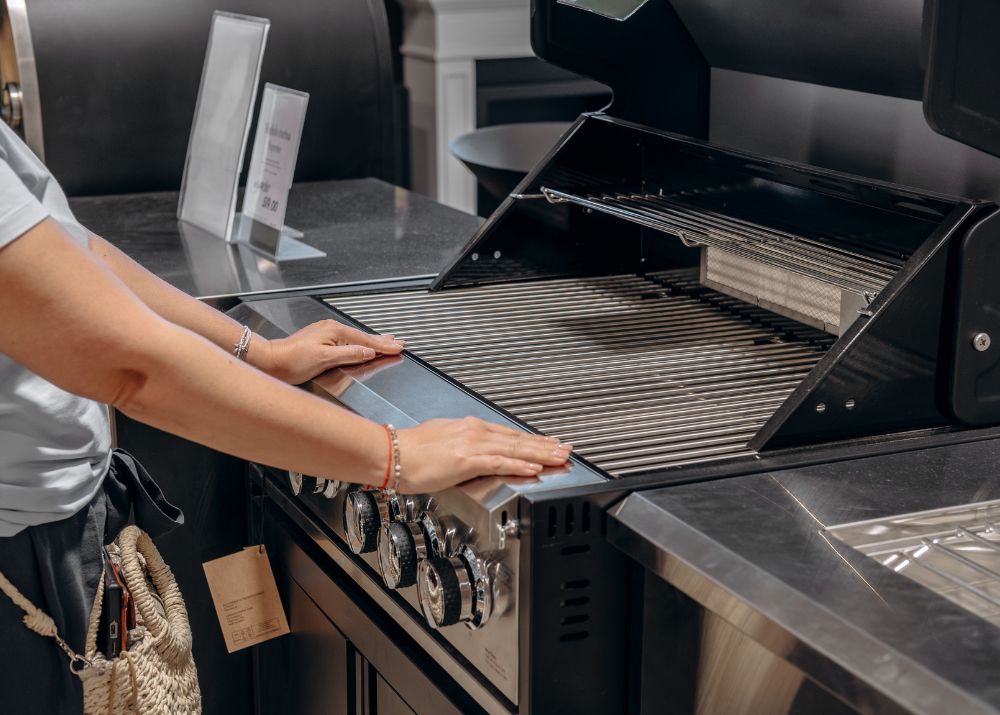
A built-in BBQ can transform your outdoor area into a practical cooking and entertaining space, whether you're planning a complete outdoor kitchen or upgrading an existing setup. But with different sizes, burner configurations, materials and features available, choosing the right model takes a little planning.
Before you buy a built-in BBQ, it's worth considering how you cook, how much space you have and how the BBQ will integrate with your outdoor kitchen. This built-in BBQ buying guide covers the key things to look for so you can choose a BBQ that suits your space and the way you entertain.
What Is a Built-In BBQ?
A built-in BBQ is designed to be permanently installed into an outdoor kitchen, benchtop or purpose-built cabinet rather than sitting on its own trolley.
The BBQ becomes part of the overall outdoor kitchen design, creating a streamlined cooking area with the option to add storage, refrigeration, sinks, preparation space and other appliances around it.
Built-in BBQs are available in different widths and burner configurations, making them suitable for everything from compact alfresco areas to large outdoor entertaining spaces.
1. Choose the Right BBQ Size
One of the first decisions when buying a built-in BBQ is how much cooking space you actually need.
For smaller households or more compact outdoor areas, a 4 burner built-in BBQ may provide plenty of cooking capacity without taking up too much valuable benchtop space.
If you regularly entertain larger groups or like cooking several foods at once, a 5 or 6 burner built-in BBQ provides additional flexibility.
Remember that a larger BBQ also requires more installation space. If you're designing a new outdoor kitchen, check the BBQ's dimensions and installation specifications before finalising cabinetry or benchtops.
2. Think About How You Cook
The best built-in BBQ isn't necessarily the biggest or most expensive model. It's the one that suits the way you actually cook.
Consider whether you mainly cook steaks, sausages and burgers or whether you want to prepare complete meals outdoors.
Look at the combination of grill and hotplate cooking surfaces provided. A combination of both gives you greater flexibility, allowing you to grill meat and vegetables while using the hotplate for foods such as onions, eggs, seafood or breakfast.
If you enjoy roasting, slow cooking or cooking larger cuts of meat, hood design and temperature control should also be considered.
3. Look at Burner Quality and Performance
Burners are at the heart of any gas BBQ, so don't simply compare models based on the number of burners.
Look at the quality and construction of the burners, heat distribution and the level of individual control provided across the cooking surface.
Independent burners allow you to create different heat zones. This can be particularly useful when cooking several foods simultaneously or when you want direct heat on one side of the BBQ and gentler cooking on the other.
4. Check the Materials and Construction
Your built-in BBQ will be exposed to outdoor conditions, so construction quality matters.
Stainless steel is widely used for built-in BBQs because it provides durability, heat resistance and a clean appearance that integrates well with outdoor kitchen cabinetry.
However, not all stainless steel BBQs are identical. Look beyond the exterior finish and consider the construction of important components such as burners, cooking surfaces, flame tamers and the firebox.
Quality construction can make a significant difference to both cooking performance and the working life of your BBQ.
5. Natural Gas or LPG?
Before you buy a built-in BBQ, decide which fuel source you intend to use.
LPG BBQs operate from a gas bottle, making them a flexible option where a natural gas connection isn't available.
Natural gas can be particularly convenient for permanent outdoor kitchens because there's no need to replace or refill gas bottles. However, you'll need an appropriate natural gas connection installed by a qualified professional.
Check whether your preferred BBQ is available in the required fuel configuration before purchasing.
6. Consider Your Outdoor Kitchen Layout
The BBQ may be the centrepiece, but it is only one part of a functional outdoor kitchen.
Think about where you'll prepare food, place utensils and serve meals. Allowing enough benchtop space beside your BBQ can make the cooking area considerably easier to use.
You may also want to incorporate:
- Outdoor kitchen storage
- Drawers and cupboards
- An outdoor fridge
- Sink and tap
- Side burner or wok burner
- Bin storage
- Additional preparation space
Planning these elements together will help you create an outdoor kitchen that works efficiently rather than simply finding somewhere to fit the BBQ.
7. Check Installation and Ventilation Requirements
Built-in BBQs need to be installed according to the manufacturer's specifications.
This can include minimum clearances from combustible materials, ventilation requirements and specifications for the BBQ cut-out or supporting cabinetry.
These details are particularly important when you're having cabinetry or benchtops custom-built. Always confirm the installation specifications for your chosen BBQ before construction begins rather than relying on approximate dimensions.
Gas connections should also be completed by an appropriately qualified professional.
8. Consider Cleaning and Maintenance
A BBQ that's easy to maintain is more likely to be used regularly.
When comparing built-in BBQs, consider how easily you can remove and clean the grills, hotplates and grease collection system.
Also think about ongoing access. Unlike a freestanding BBQ that can simply be moved away from a wall, a built-in model forms part of your cabinetry. Components that may require maintenance should therefore remain reasonably accessible after installation.
9. Don't Choose on Price Alone
Price is naturally an important consideration, but it shouldn't be the only factor when you buy a built-in BBQ.
A cheaper BBQ that doesn't provide enough cooking space, isn't suited to your installation or needs replacing prematurely may prove to be a false economy.
Compare models based on overall value, including construction quality, cooking performance, warranty, available features and how well the BBQ fits your intended outdoor kitchen.
10. See the BBQ Before You Buy
Specifications and product photos are useful, but seeing a BBQ in person can make choosing much easier.
You can get a better idea of the cooking area, build quality, controls, hood operation and overall dimensions. It's also an opportunity to compare different models side by side and discuss which configuration will work best for your outdoor area.
At BBQs R Us, you can visit our Mitcham showroom to explore our range of built-in BBQs and outdoor kitchen options and get expert advice before making your decision.
Ready to Buy a Built-In BBQ?
Choosing the right built-in BBQ starts with understanding your space and how you plan to use it. Consider the BBQ size, cooking surfaces, burner configuration, fuel type, construction and installation requirements before making your final choice.
Whether you're replacing an existing BBQ or designing an entirely new outdoor kitchen, BBQs R Us can help you compare your options and find a built-in BBQ that suits your cooking and entertaining needs.
Explore our range of Built-In BBQs online or visit our Mitcham showroom for expert advice.