

Blog
Outdoor Kitchen Fridge Placement: The Dos and Don'ts
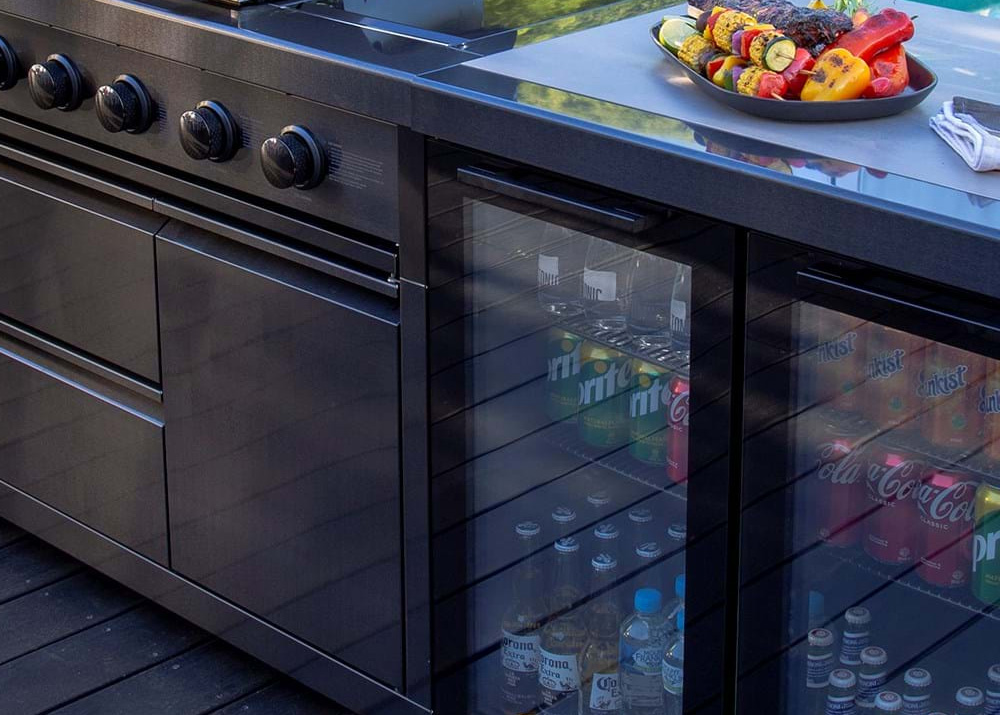
An outdoor fridge is one of the most practical upgrades you can make to an outdoor kitchen—but only if it is positioned correctly. Poor placement can lead to overheating, inefficient workflow, and premature appliance failure.
This guide breaks down the dos and don’ts of outdoor kitchen fridge placement, with a focus on ventilation, power access, and how you actually use the space.
Why Fridge Placement Matters More Outdoors
- Heat from BBQs and direct sun
- Limited airflow in cabinetry
- Moisture and temperature fluctuations
Correct placement is not just about convenience—it directly affects performance, lifespan, and safety.
DO: Allow Proper Ventilation
Ventilation is the single most important factor in outdoor fridge placement.
What to Do
- Use fridge-specific cabinet modules with built-in ventilation
- Ensure front or rear ventilation aligns with the fridge manufacturer’s requirements
- Leave clear airflow paths—do not block vents with kickboards or panels
Why It Matters
Outdoor fridges expel heat while operating. Without airflow, heat builds up inside the cabinet, causing:
- Poor cooling performance
- Higher energy use
- Compressor strain and early failure
Rule of thumb: If the fridge cannot breathe, it will not last.
DON’T: Place the Fridge Next to the BBQ
This is a common and costly mistake.
Why to Avoid It
- Radiant heat from the BBQ forces the fridge to work harder
- Heat reduces cooling efficiency
- Increased risk of component damage over time
Even with insulated cabinetry, constant exposure to heat shortens the fridge’s lifespan.
Better option: Position the fridge away from the heat zone, ideally at one end of the kitchen.
DO: Think About Workflow, Not Just Symmetry
Fridge placement should support how you cook and entertain—not just how the kitchen looks.
Best Workflow Positions
- Near the prep zone for ingredients
- Close to seating or bar areas for drinks
- Easily accessible without crossing cooking zones
This keeps foot traffic out of the heat zone and reduces congestion when entertaining.
DON’T: Hide the Fridge Too Far Away
While distancing from heat is important, placing the fridge too far away creates inefficiency.
Common Issues
- Constant back-and-forth while cooking
- Guests walking through prep or cooking areas
- Reduced usability during busy gatherings
The goal is balance: close enough for convenience, far enough for safety.
DO: Plan Power Access Early
Outdoor fridges require a dedicated power point installed by a licensed electrician.
What to Consider
- Power location relative to the fridge cabinet
- Weatherproof outdoor-rated power points
- Access for servicing or replacement
Retrofitting power later often means pulling cabinets apart or visible conduit—both avoidable with early planning.
DON’T: Use an Indoor Fridge Outdoors
This cannot be overstated.
Why Indoor Fridges Fail Outdoors
- Not designed for temperature fluctuations
- No moisture protection
- Inadequate ventilation design
Always use a fridge specifically rated for outdoor or alfresco use.
DO: Consider Sun Exposure
Direct sunlight increases internal temperatures and energy use.
Smart Placement Tips
- Avoid west-facing positions where possible
- Use shading from walls, cabinetry, or pergolas
- Position fridges under cover rather than fully exposed
Reducing sun load improves performance and energy efficiency.
DO: Choose the Right Cabinet Module
Outdoor fridge modules are designed differently from standard cabinets.
Features to Look For
- Integrated ventilation panels
- Correct clearances for airflow
- Durable, weather-resistant materials
A purpose-built fridge module protects your appliance and keeps the kitchen layout clean and functional.
Common Outdoor Fridge Placement Mistakes
- Installing directly beside a BBQ or pizza oven
- Blocking ventilation with panels or storage
- Forgetting power access until late in the build
- Prioritising symmetry over usability
- Using indoor-rated appliances
Each of these mistakes is easy to avoid with basic planning.
The Takeaway: Plan the Fridge Like an Appliance, Not Storage
An outdoor fridge is a working appliance, not just another cabinet. When positioned correctly, it becomes one of the most-used elements of the kitchen—keeping drinks cold, ingredients fresh, and entertaining seamless.
Get the ventilation right, plan power access early, and place the fridge where it supports how you cook and host. The result is a more efficient, longer-lasting outdoor kitchen.
Planning your outdoor kitchen layout?
Explore outdoor kitchen fridge modules designed for proper ventilation, smart workflow, and Australian alfresco conditions.
Contact us for expert advice for your outdoor kitchen